Interactive history guide
Following the trail of horses
Interactive web map and guide to historical places connected by one theme - horses.
Discover statues, monuments, riding halls, racetracks and forgotten places where horses played an important role in history and culture.


In cooperation with
Czech University of Life Sciences Prague
Monument Map
Explore the interactive map of horse-related places in Prague.
Loading map...
Our tips for exploration
Visit the most interesting horse-related monuments in Prague and its surroundings.
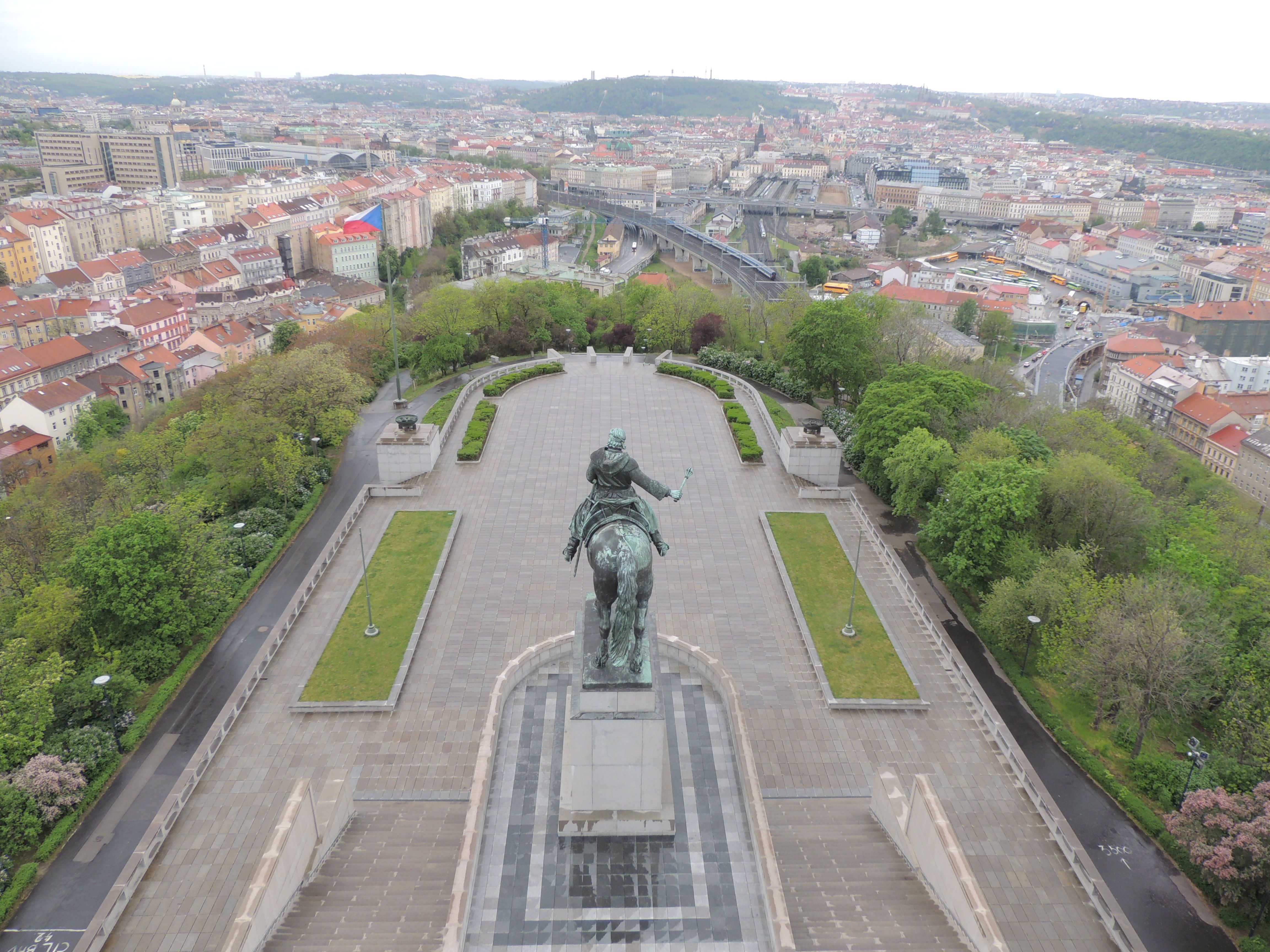
Jan Žižka from Trocnov at the National Memorial at Vítkov
The equestrian statue depicting Jan Žižka of Trocnov is a notable Prague landmark. With its 9 meters in height, 9.6 meters length and 5 meters width, this is one of the largest equestrian sculptures in the world. Its location atop the Vítkov Hill is historically tied to the site of the famous victorious battle of a small Hussite army well outnumbered by the Crusaders that took place here on July 14, 1420. The sculpture was designed by Bohumil Kafka (1878-1942), a professor at the Academy of Fine Arts in Prague. His model was a Noriker stallion named Theseus. As is evident from the breeding records, Theseus was raised in the provincial stud farm in Tlumačov. Bohumil Kafka worked on the sculpture from 1931, completed it during the early years of WWII and then unexpectedly died in 1942. After the war, work on the construction of the monument gradually restarted and the sculpture was ceremonially unveiled on July 14, 1950, upon the 530th anniversary of the battle.
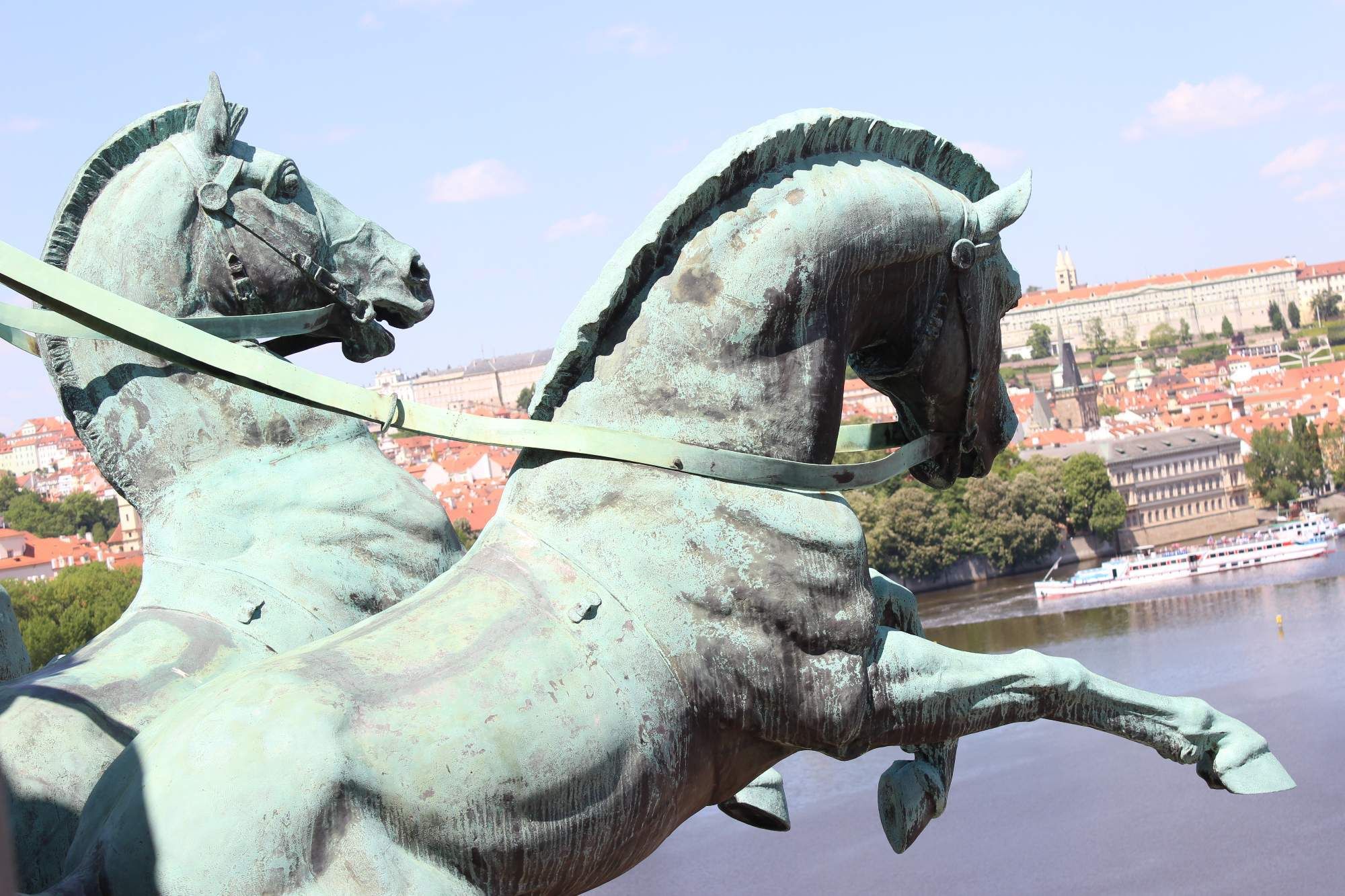
The statues of the trig at the National Theater
For more than a century, Prague’s National Theatre has been crowned by two sculptural groups of trigae—three-horse chariots—driven by the winged goddess Victoria. The concept was created in the 1880s by Bohuslav Schnirch; after his death, the work was completed by other sculptors, including Ladislav Šaloun. The secession (Art Nouveau) influence is visible in the final 1911 execution.
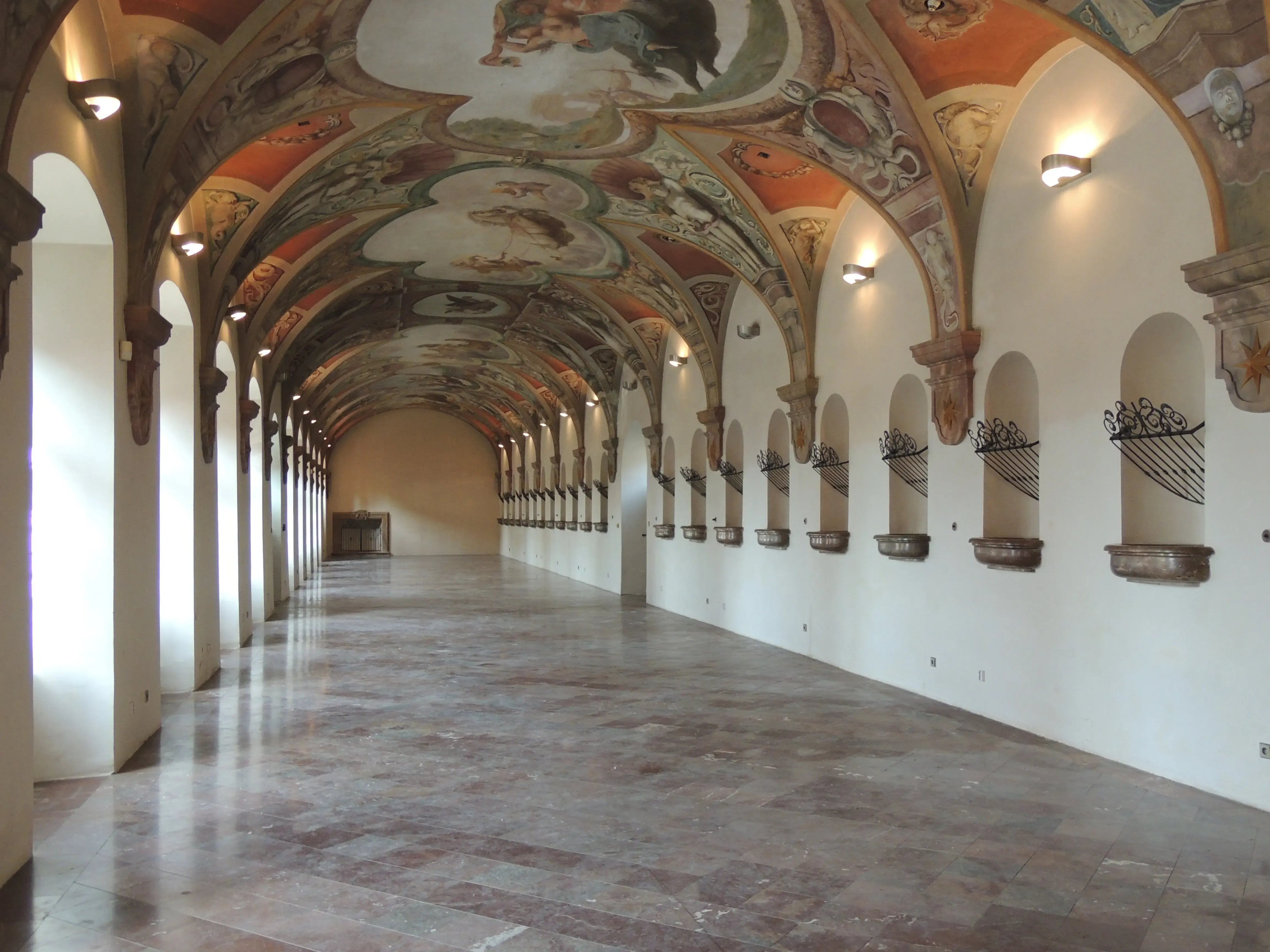
Stables of Troja Castle
Troja Château (1679–1685) was built by Count Václav Vojtěch of Šternberk as a summer residence, also intended to host the emperor during hunts. Designed by Giovanni Domenico Orsi and later Jean‑Baptiste Mathey, it introduced an Italian villa style that influenced Czech château architecture.