Stables of Troja Castle
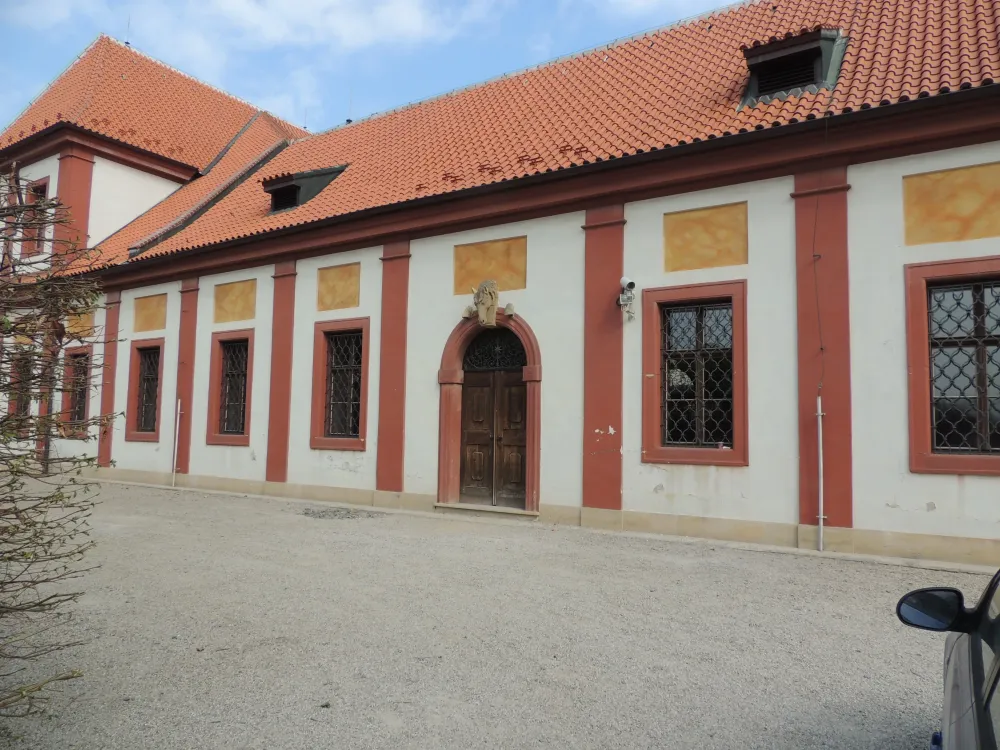
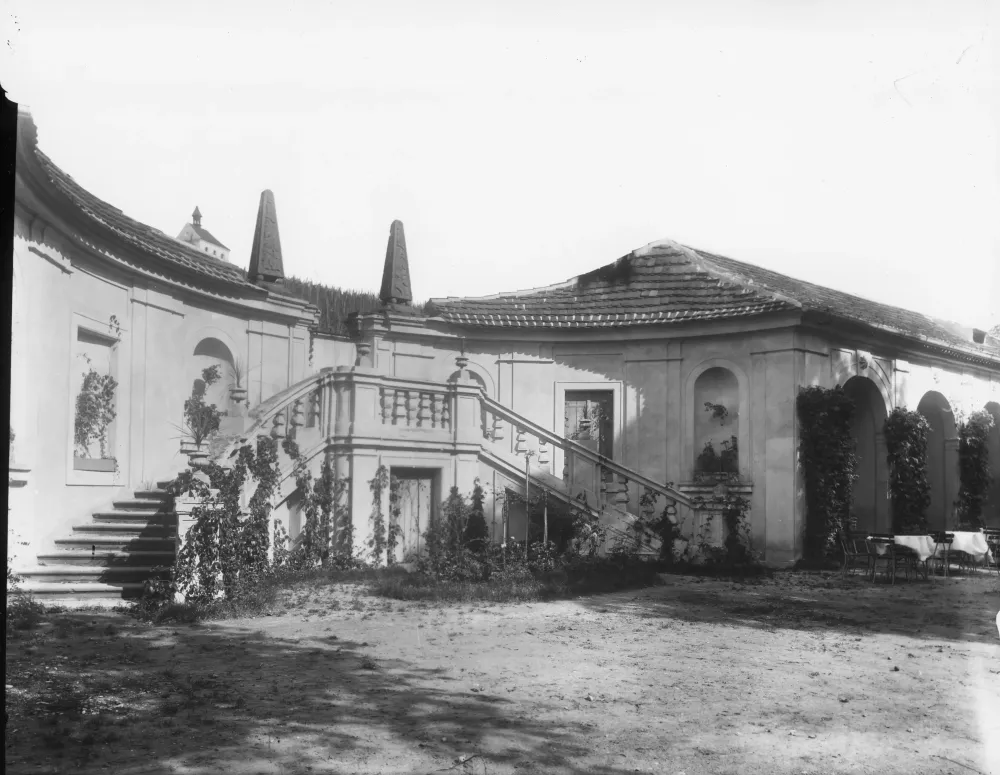
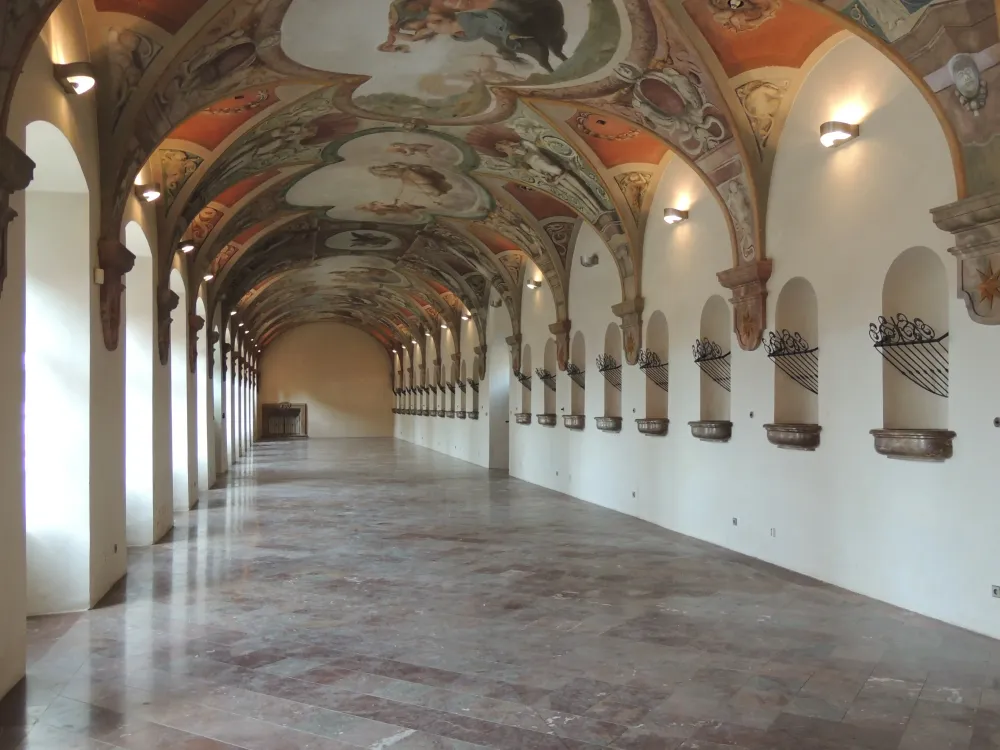
But the chateau certainly provided its occupants with magnificent comfort for those times. With their pompous appearance and painted decoration, these stables competed with the then still very new stables in the Waldstein Palace.
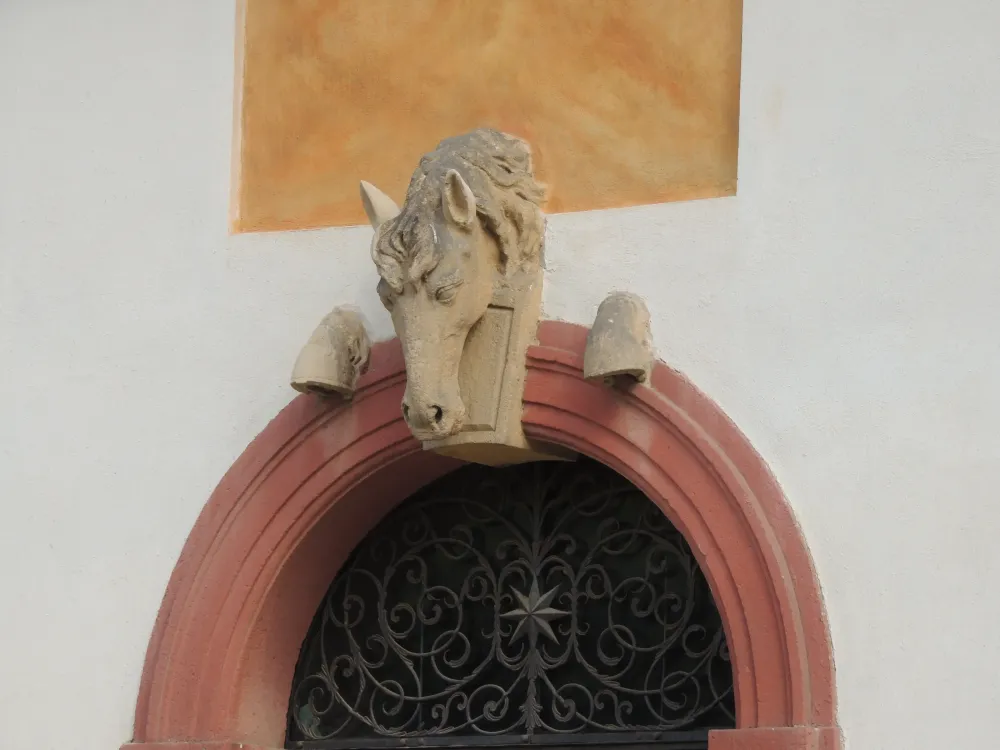
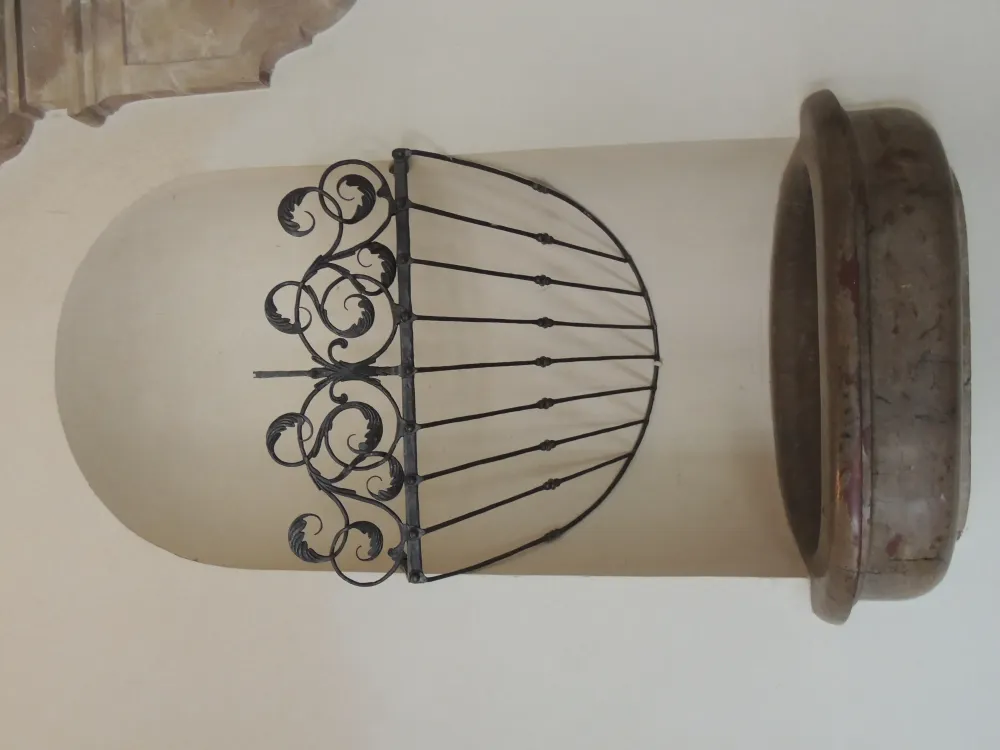
The stables were located in the northern courtyard, left of main entrance from the direction of today’s ZOO. The building is easily identifiable thanks to the horse-head feature over the entrance door. The building provided tie-up boarding to 24 horses, the only type of boarding used in those times. The original marble troughs still remain.
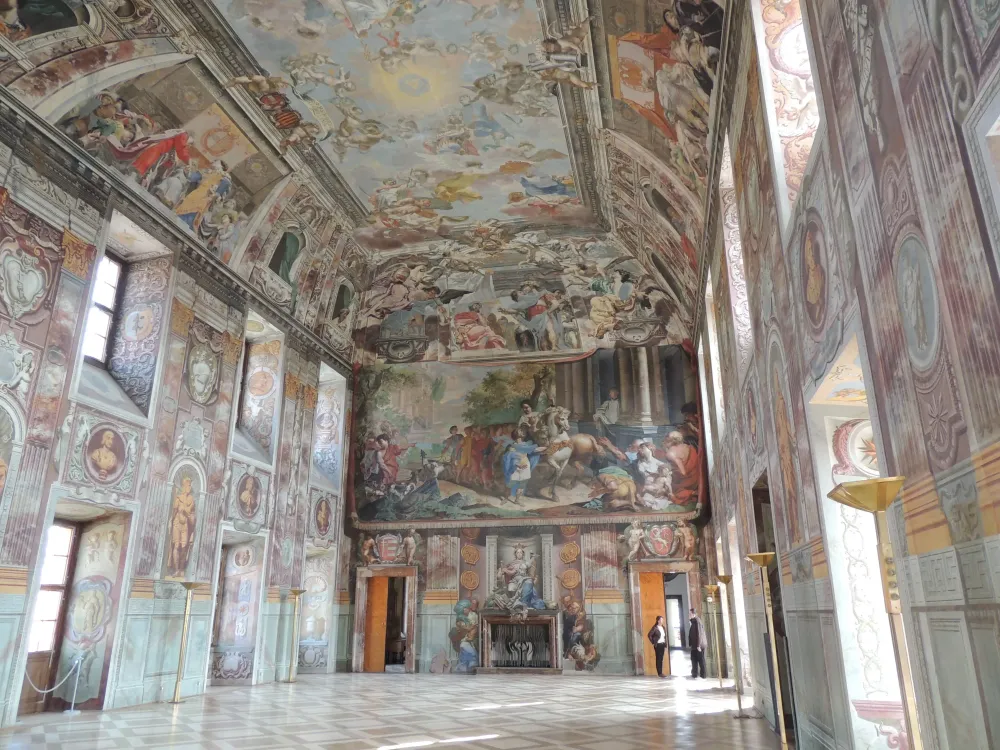
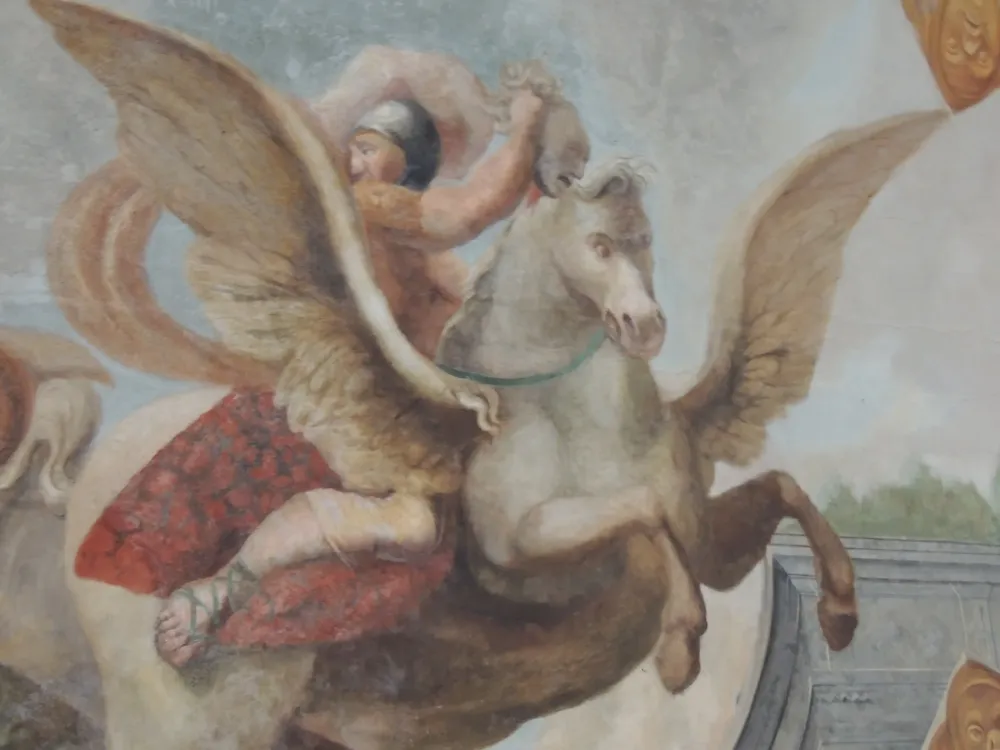
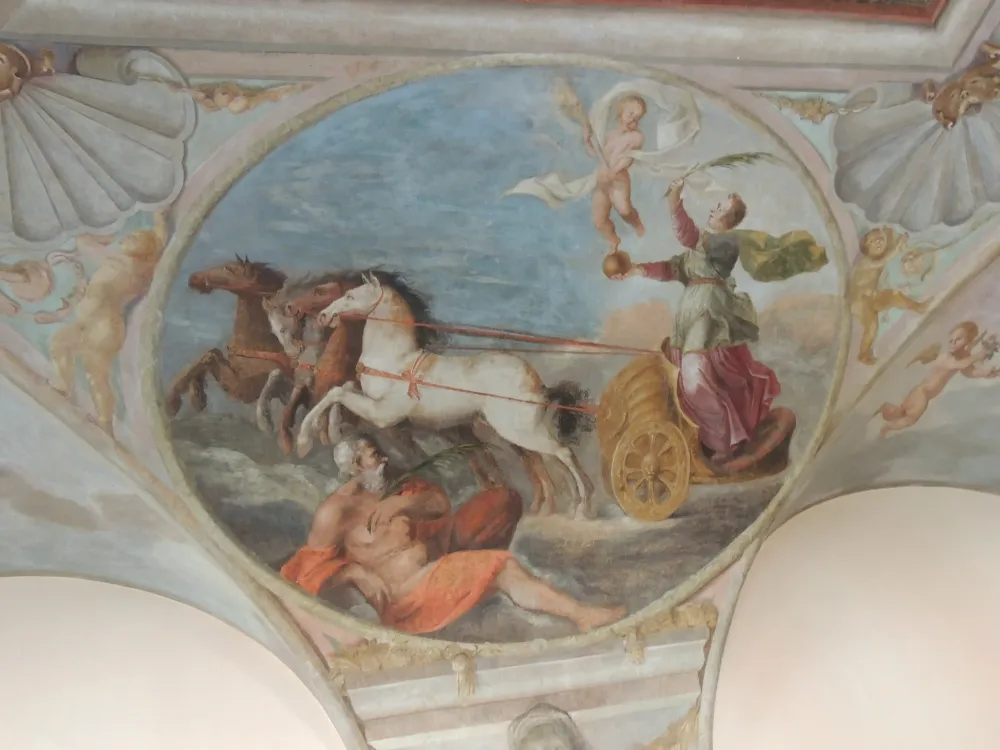
The Troja Chateau is also significant because of its rich fresco decorations. Abraham Godijn was put in charge of decorating the stables around 1690. He worked on adorning the chateau along with his brother Isaac. Originally from Antwerp, the brothers were invited to Bohemia by the Count of Sternberg. They thus brought to Prague a Flemish style combined with Italian architecture. They learned this not just from their teachers, but also while studying abroad.
The paintings depict mythological scenes where horses played a significant role. The painting was executed using stippling with a sea sponge and resembles a delicate wallpaper. The stables are 45 meters long and 6.4 meters wide.
The Troja Chateau belonged to the Sternberg family until 1763, when they sold it to the Theresian Institution of Noble Ladies. Austro-Hungarian Empress and Queen of Bohemia, Maria Theresa, stayed there herself on several occasions.
Subsequently, the ownership of the chateau had a rich history. In 1776 it was obtained by Jan Václav Alsterle of Astfeld and Vydří. In 1832 it was transferred as an inheritance to the ownership of the St. Elizabeth Order and the Brothers of Charity. Later the chateau was purchased by Alfred I, Prince of Windisch-Grätz, who founded vineyards around it. The last private owner of the chateau complex was a large-scale farmer, Alois Svoboda, who donated it to the state on October 7, 1922 at the occasion of President T. G. Masaryk’s 70th birthday.
The chateau underwent an extensive reconstruction between 1977 and 1989. The stables are currently used for exhibitions and commercial events. At least symbolically, horses returned to the stables in 2011, when a sculpture by Michal Gabriel, depicting four horses, was exhibited here. The chateau is currently maintained by the Prague City Gallery and the stables are not usually publicly accessible.