Prague Castle Riding School
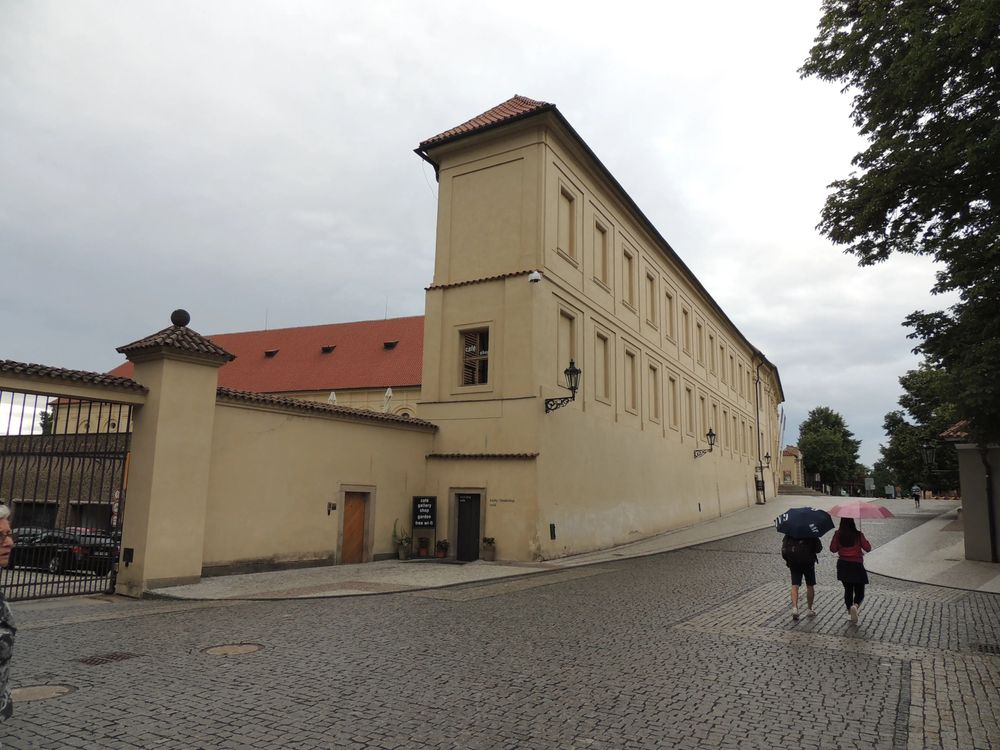
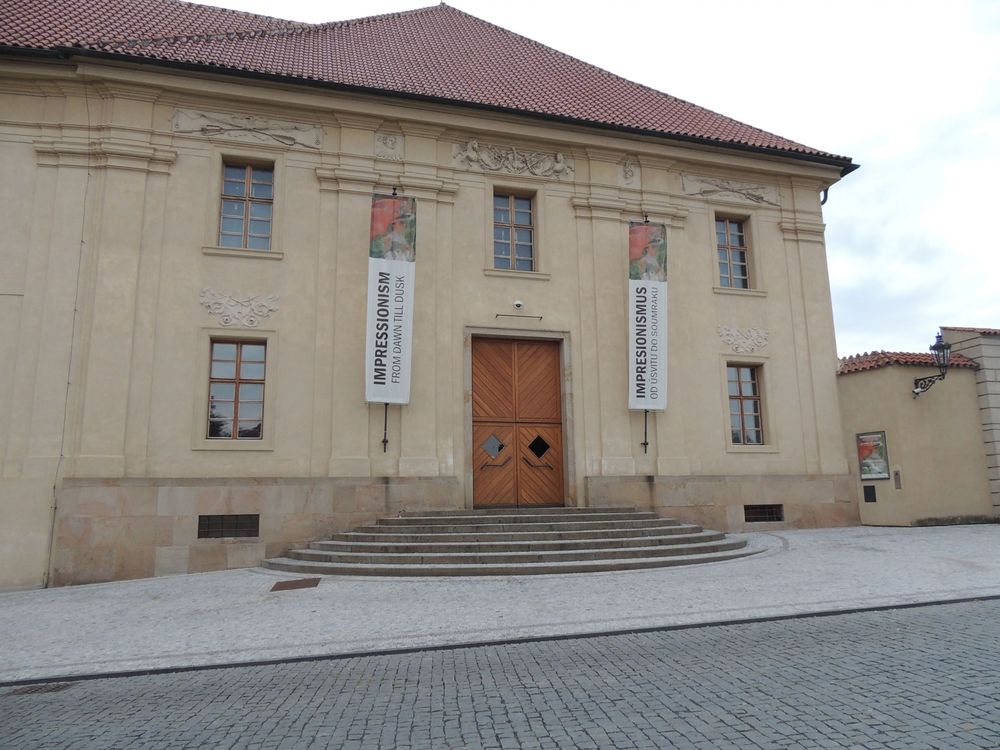
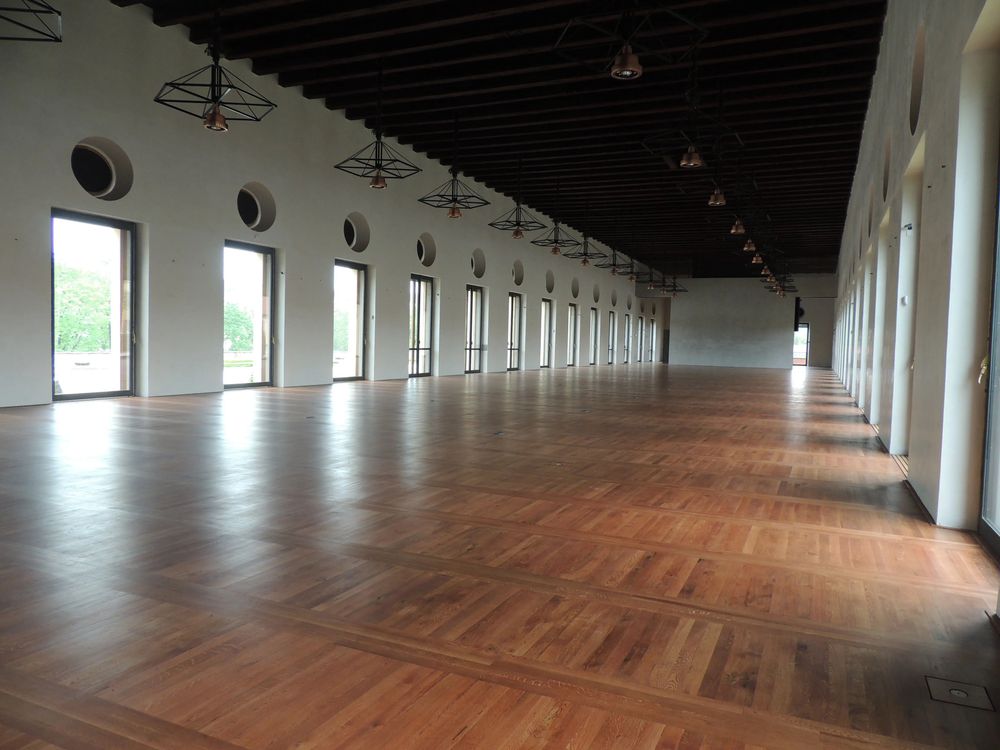
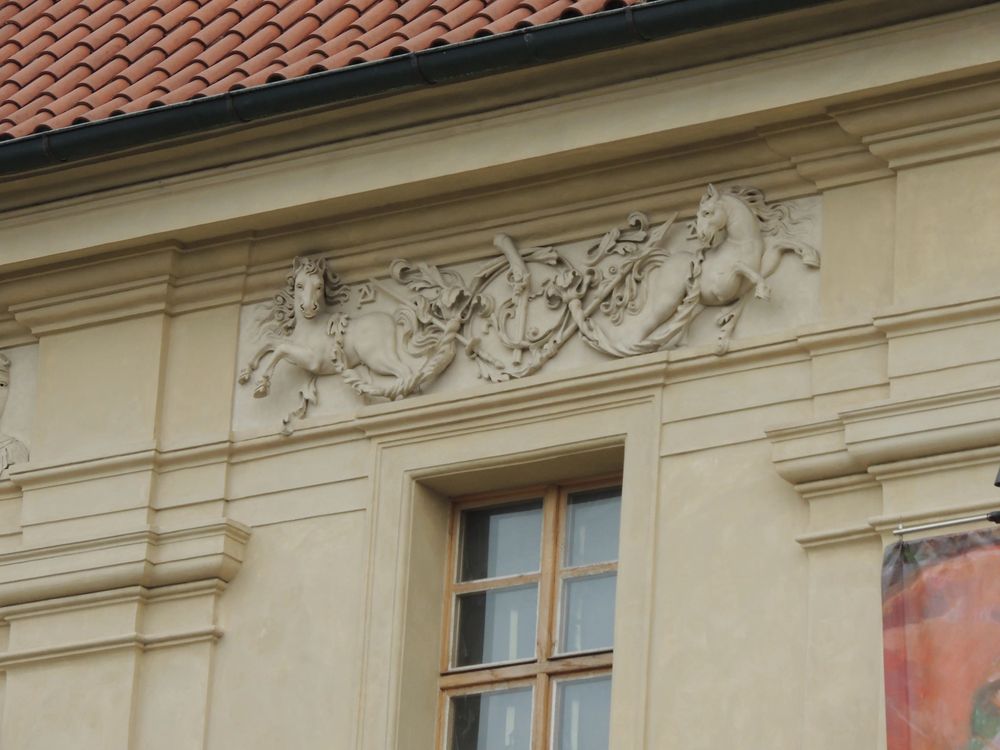
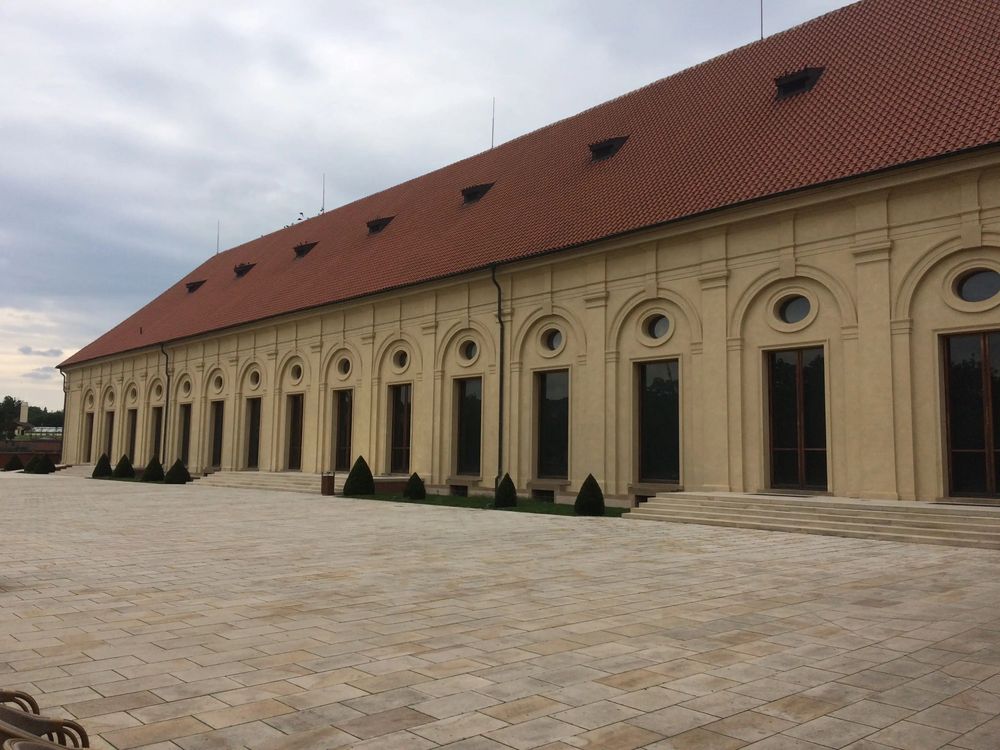
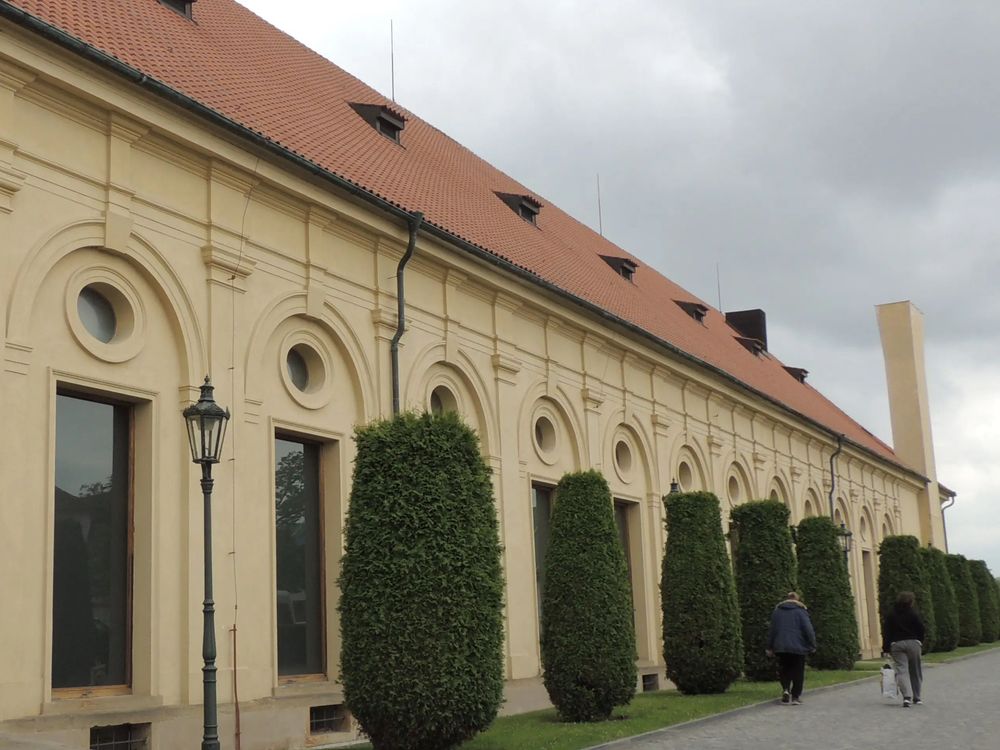
The Prague Castle Riding Hall was built during the reign of Leopold I (1640 – 1705), when the cult of horses and riding art was significantly developed as an essential social prestige of the aristocracy. The request to build a new rising hall was first voiced in 1679, when the Viennese court relocated to Prague in fear a plague epidemic. Yet it took another 15 years before the idea of replacing the old insufficient rising hall from the times of Maximilian II (built in 1572) was carried out. We have only a few records regarding the construction of the new riding hall. The first is a notification from the Czech Chamber to the Viennese Court from March 14, 1694 stating that the old riding hall is narrow and too low to accommodate the training of horses in the high-riding school. At the end of the 17th century, the Prague Castle Ball Room in the Royal Garden was frequently modified for these purposes. The decisions of the Czech Chamber from March 22, 1694 states that the majestic building will be designed by Jean Baptiste Mathey (1630 – 1696). Built between 1694 and 1695 according to his plans, the riding hall had no competition across Europe at the time. However, the layout of the entire building (approximately 92 by 18 m) wasn’t used for horse training. The actual riding area covered nearly the classical dressage rectangle (18 by 60 m) and enabled both horse training as well as organization of riding festivals and tournaments. Because Leopold I was renowned as the main ‘Turk-slayer,’ the front façade of the Riding Hall is to date decorated with stuccoes referencing the times of dramatic battles with Turks. They were created by Giovanni Pietro Paliardi, who worked based on Mathey’s drawings. The building was constructed in the famous period of Turkish defeats near Vienna (1683) and Zenta (1697), hence the victorious iconography on the façade of the Riding Hall. The Vienna victory over Turks also gained significance in horse-riding history because it was here where one of the famous founders of the English Thoroughbred lineage Byerley Turk (Robert Byerley) was supposedly captured.
Classical riding flourished in Central Europe during the reign of Leopold I, enabled by the basis of the Viennese riding school founded in 1572 by Maximilian II. This training style relied on methods spreading across Europe thanks to the experiences from the Riding Academy in Naples.
Unfortunately, since the death of Rudolph II, Prague stood somewhat aside the key interests of the Habsburg court, as apparent from remaining records regarding the bulding of the Riding Hall. Frequently, these are various complaints regarding the course of construction. It is depicted as entirely unnecessary, also encroaching on other then-existing facilities such as the Castle Pheasantry. This is one of the reasons why the entry corridor connecting the Riding Hall with the Prague Castle in the location of today’s Spanish Hall was never finished.
The original building had full walls and the lighting of the riding area was provided by daylight entering through circular windows under the roof ledge. The walls were opened with the extensive French-style windows only during the reconstruction in the 1950s
Despite the construction taking place in the era of Leopold I, the Riding Hall mostly flourished during the reign of Joseph I (1705 – 1711) and, particularly, Charles VI (1711 – 1740). The latter took the horse-riding cult to its very peak, as particularly apparent from the construction of the Viennese Baroque riding hall for the purposes of the famous Spanish Riding School (Spanische Hofreitschule).